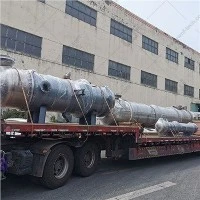
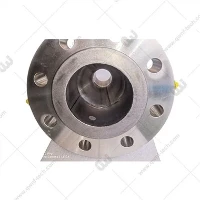
Hey everyone, it's Mia from AB's industrial equipment team, and today I'm chatting about a question I get all the time: Can a Tantalum Lined Reactor actually work in the cosmetic industry? Let's cut through the noise here-this isn't some random fancy industrial part that only belongs in chemical labs. For us as a Tantalum Lined Reactor supplier, we've seen firsthand how these reactors are game-changers for cosmetic makers dealing with tricky, high-stakes formulations. And yeah, I know what you're thinking: Cosmetics usually use stainless steel or glass reactors, right? But hold on-there's a big gap those materials can't fill, especially when you're trying to hit both safety and quality marks.
First, let's break down why cosmetic production is such a unique beast. Think about it: You're making things like serums with active ingredients, exfoliants with acids, even hair dyes with harsh chemicals, and you need every batch to be consistent, no cross-contamination, and totally non-reactive. Glass reactors crack under pressure when you're working with hot, concentrated acids (like the ones in vitamin C serums or alpha-hydroxy exfoliants). Stainless steel? It leaches metal ions into your product-hello, gray streaks in serums or weird after-skin reactions that make consumers flip out. That's where tantalum lined parts step in, specifically our custom Tantalum Lined Reactor designs that are built for these exact pain points.
Wait, let's get one thing straight: Tantalum isn't some exotic metal for no reason. It's a dense, shiny refractory metal that's basically chemically inert when it's in contact with most cosmetics-related acids, bases, and solvents. Unlike titanium or even other noble metals, tantalum forms a super thin, self-healing oxide layer the second it touches oxygen or water-so if there's a tiny scratch, that layer fixes itself fast. That's a huge win for cosmetic producers because it means no leaching, no weird chemical reactions, and every batch stays pure from start to finish. I've seen a lot of people mix up lined reactors vs. solid tantalum, but lining (like our Tantalum Lined Vessel products) cuts down on cost while keeping all the performance perks-no need to use solid tantalum for the whole tank, which saves you money without skimping on protection.


Let's talk real-world cosmetic use cases, because this isn't theory. Take vitamin C serums-they're all the rage right now, but L-ascorbic acid (the good stuff) is super unstable and reacts with almost any metal except tantalum. If you mix vitamin C in a stainless steel reactor, you get oxidation, meaning your serum loses its potency in weeks. In a glass reactor, even a small splash of acid can etch the glass and contaminate your next batch. Our Tantalum Lined Reactor avoids both issues: the tantalum lining keeps the vitamin C pure, no oxidation, so your serum stays effective for months. Plus, because tantalum doesn't react with any residual acids, you don't have to deep-clean the reactor for hours between batches-just a quick rinse, which saves you time and cuts down on waste.
Another big one: exfoliants with glycolic or lactic acids. These are often heated during production to help ingredients dissolve, and stainless steel can corrode at high temps with concentrated acids. Glass? It's fragile, so you're dealing with constant replacement costs and downtime if a batch goes wrong. I had a client last year who was switching from glass to our Tantalum Lined Reactor for their AHA exfoliant lines-they told me they used to lose 2-3 batches a month to reactor damage or contamination, and now that's down to zero. That's not just a win for quality; that's a massive cost saver. They also added our Tantalum Lined Pipe for transferring the finished product to filling lines, so no cross-contamination between reactor and packaging. Smart move, right?
Wait, what about the "scary" chemicals in cosmetics? I'm talking about things like formaldehyde releasers (used as preservatives) or even certain colorants in hair dyes. Tantalum handles those too-no weird reactions, no discoloration. One thing I always emphasize is that cosmetic brands care a lot about FDA and EU Cosmetic Regulation compliance. The last thing you want is a batch rejected because of metal leachables from your reactor. Tantalum is non-toxic, so it meets all those strict safety standards without any extra testing hoops. We even offer Tantalum Lined Thermowell s for temperature monitoring in these reactors-super precise, no interference, so you get accurate readings without risking contamination. That's a little add-on that makes a big difference for process control.
Now, let's address the elephant in the room: cost. I know tantalum sounds expensive, but let's compare it to the alternatives. Glass reactors need constant replacement-if you're running 20 batches a week, that's hundreds, maybe thousands in replacement parts annually. Stainless steel reactors might be cheaper upfront, but the downtime from cleaning, fixing corrosion, or losing batches? Add that up, and the total cost of ownership for our Tantalum Lined Reactor is actually lower. Plus, our lined reactors are custom-sized, so you get exactly what you need for your production line-no overpaying for extra space. We work with small, indie cosmetic brands all the way up to large multinational ones, so we can tailor a reactor that fits your budget, not just our catalog.
I also want to talk about scalability. A lot of cosmetic founders start with small glass reactors in their garage, and when they scale to mid-sized production, they hit a wall. Our Tantalum Lined Reactor comes in sizes from 10 liters to 10,000 liters, so you can grow with us. Last year, we helped a startup that made natural deodorants move from a 50L glass reactor to a 500L tantalum lined one-they went from making 500 units a batch to 5,000, and their quality stayed consistent. No reworks, no complaints, and they got to hit their big retail launch on time. That's the kind of impact this equipment can have.
Wait, is there any downside? Let's be honest-no material is perfect, right? Tantalum does react with a few super specific chemicals, like hydrofluoric acid or hot concentrated sulfuric acid, but those aren't common in cosmetics. Most cosmetic formulations are based on water, oils, alcohols, and mild acids/bases, so tantalum's inertness is more than enough. We also make sure to test every reactor before it leaves our facility, so you know exactly what you're getting. And if you have a custom formulation that uses something a little out of the ordinary? We can tweak the lining or add extra protection-no problem.
Here's the thing I love most about working with cosmetic brands: they care about their customers, their products, and their reputation. A bad reactor can ruin all three, but a Tantalum Lined Reactor protects all of those. It's not just about making the same batch over and over-it's about making a product that people trust, that works, and that doesn't have hidden contaminants. We've had clients tell us that since switching to our reactors, their customer complaints about irritation or product stability dropped by 80%. That's the kind of result you can't put a price on.
If you're a cosmetic manufacturer who's tired of dealing with reactor failures, contamination, or inconsistent batches, I'd encourage you to check out our Tantalum Lined Reactor page to see what we offer. We also have resources on our Tantalum Lined Vessel and Tantalum Lined Pipe pages that go into more detail about how our parts work with cosmetic production. We're here to help, whether you're a small startup just getting off the ground or a large brand looking to upgrade your entire production line. There's no one-size-fits-all solution, so let's chat about your specific needs-we can build something that fits.
Don't hesitate to reach out to our team to discuss your project; we're here to help you find the right solution for your cosmetic production needs.