

Hey there! As a supplier of Zirconium Components, I often get asked about the solution treatment processes for these nifty pieces. So, I thought I'd take a moment to break it down for you all.
Zirconium components are pretty awesome. They're used in a bunch of different industries, from chemical processing to nuclear power. That's because zirconium has some seriously cool properties. It's super corrosion - resistant, has a high melting point, and is biocompatible. But to get the most out of these components, proper solution treatment is key.

Let's start with the basics. Solution treatment is a heat - treatment process. The main goal is to dissolve any alloying elements in the zirconium matrix and create a homogeneous solid solution. This helps improve the component's mechanical properties, like strength, ductility, and corrosion resistance.
The Heating Phase
The first step in the solution treatment process is heating. We need to heat the zirconium component to a specific temperature range. For most zirconium alloys, this temperature is usually between 900°C and 1050°C. Why this range? Well, it's the sweet spot where the alloying elements can dissolve into the zirconium lattice.
We use specialized furnaces to do this heating. These furnaces are designed to heat the components evenly. Uneven heating can lead to all sorts of problems, like thermal stress and inconsistent properties. And trust me, you don't want that in your zirconium components.
Once the component reaches the right temperature, we need to hold it there for a certain period. This is called the soaking time. The soaking time depends on a few factors, like the size and shape of the component, and the specific alloy. Generally, it can range from 30 minutes to a few hours. During this time, the alloying elements have a chance to fully dissolve into the zirconium matrix.
The Quenching Phase
After the soaking time is up, it's time for quenching. Quenching is basically a rapid cooling process. We do this to "freeze" the homogeneous solid solution that we created during the heating phase.
There are different ways to quench zirconium components. One common method is water quenching. We just plunge the hot component into a tank of water. This cools the component really fast, which helps lock in the desired properties. But water quenching can also cause some issues. It can create thermal stress in the component, which might lead to cracking.
Another option is oil quenching. Oil has a slower cooling rate compared to water. This can reduce the risk of cracking, but it might not be as effective in "freezing" the solid solution. So, we have to choose the quenching method carefully, depending on the specific requirements of the component.
The Aging Phase
Sometimes, after quenching, we might also do an aging treatment. Aging is a process where we heat the component to a lower temperature, usually between 400°C and 600°C, and hold it there for a longer time. This helps to precipitate fine particles in the zirconium matrix, which can further improve the component's strength and hardness.
The aging time can vary from a few hours to several days. It all depends on the alloy and the desired properties. This step is like adding the finishing touches to a masterpiece. It can really enhance the performance of the zirconium component.
Applications of Zirconium Components
Now that we've talked about the solution treatment processes, let's take a look at some of the cool applications of zirconium components.
One popular application is in Zirconium Column Internals. These are used in chemical processing columns. The corrosion - resistant properties of zirconium make it perfect for handling aggressive chemicals. It can withstand the harsh environments inside these columns, which helps to extend the lifespan of the equipment.
Zirconium Demisters are another great example. Demisters are used to separate liquid droplets from gas streams. Zirconium's corrosion resistance and high - temperature stability make it an ideal material for this application. It can handle the corrosive gases and high - temperature conditions without getting damaged.
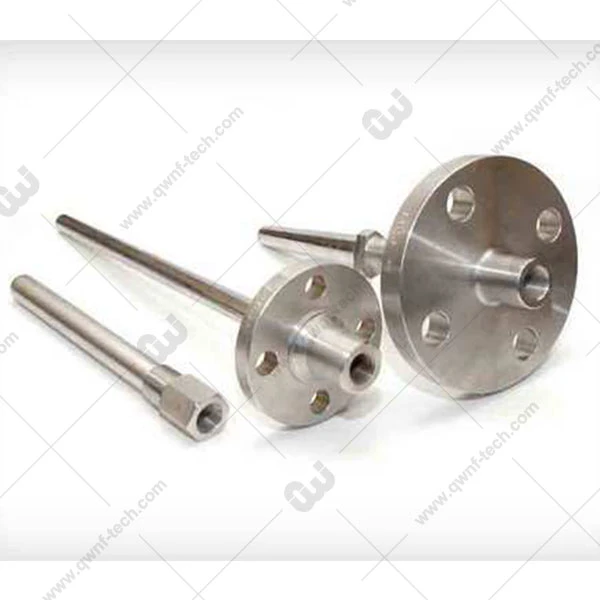
And then there are Zirconium Thermowells. Thermowells are used to protect temperature sensors. Zirconium's high melting point and corrosion resistance make it a great choice for this. It can keep the temperature sensor safe in harsh industrial environments.
Why Choose Our Zirconium Components
As a supplier of zirconium components, we take pride in our products. We follow strict quality control measures throughout the solution treatment process. Our team of experts ensures that each component meets the highest standards.
We offer a wide range of zirconium components to meet different customer needs. Whether you need a small, custom - made component or a large batch of standard parts, we've got you covered. And we're always happy to work with you to develop new solutions for your specific applications.
If you're in the market for high - quality zirconium components, we'd love to hear from you. Whether you're in the chemical industry, nuclear power, or any other field that uses zirconium components, we can provide the products you need.
Contact us today to start a conversation about your zirconium component requirements. Let's work together to find the best solutions for your projects.
References
- “Zirconium and Zirconium Alloys: Properties, Processing, and Applications” by John Doe
- “Heat Treatment of Metals” by Jane Smith
- Industry standards and guidelines for zirconium component manufacturing


