

Hey there! As a supplier of Titanium Pressure Vessels, I often get asked this question: Can a titanium pressure vessel be repaired? Well, let's dig into this topic and find out.
First off, let's understand what titanium pressure vessels are all about. Titanium is an amazing metal. It's super strong, resistant to corrosion, and has a high strength - to - weight ratio. These properties make it ideal for use in pressure vessels, which are used in a wide range of industries, from chemical processing to aerospace.
Titanium pressure vessels are designed to withstand high pressures and harsh environments. But like any piece of equipment, they can sometimes get damaged. The damage could be due to a variety of reasons, such as wear and tear over time, improper handling, or exposure to extreme conditions.
Now, back to the main question: Can they be repaired? The short answer is yes, but it's not as simple as it sounds.
Factors Affecting Repairability
Type of Damage
The nature of the damage plays a huge role in determining if a repair is possible. Minor surface scratches or dents might be relatively easy to fix. For example, if there's a small scratch on the outer surface of the vessel, it can often be polished out. However, if the damage is more severe, like a crack in the wall of the vessel, it becomes a much more complicated situation.
A crack can compromise the structural integrity of the pressure vessel. When dealing with a crack, it's crucial to determine its depth, length, and location. Cracks near welds or in areas of high stress are particularly concerning. If the crack is deep enough to penetrate through the entire wall thickness, it could lead to a catastrophic failure of the vessel under pressure.
Material Properties
Titanium has unique material properties that need to be considered during the repair process. It has a high melting point, which means that welding it requires specialized equipment and techniques. Welding titanium also needs to be done in an inert gas environment, usually argon, to prevent oxidation. If the welding is not done correctly, it can introduce impurities into the titanium, which can weaken the repaired area.
Moreover, titanium has a tendency to absorb oxygen, nitrogen, and hydrogen at high temperatures. These absorbed elements can change the mechanical properties of the titanium, making it more brittle. So, any repair work that involves heating the titanium, such as welding, must be carefully controlled to avoid these issues.
Regulatory Requirements
Pressure vessels are subject to strict regulatory requirements. These regulations are in place to ensure the safety of the vessels and the people who work with them. When repairing a titanium pressure vessel, it's essential to follow these regulations. This might involve getting the repair work inspected and approved by a qualified third - party inspector.
For example, in many countries, pressure vessels must comply with standards such as ASME (American Society of Mechanical Engineers) codes. These codes specify the requirements for design, fabrication, and repair of pressure vessels. If the repair work doesn't meet these standards, the vessel might not be allowed to be put back into service.
Repair Methods
Welding
Welding is one of the most common methods for repairing titanium pressure vessels. As mentioned earlier, it requires specialized equipment and skills. There are different types of welding processes that can be used for titanium, such as gas tungsten arc welding (GTAW) and plasma arc welding.
GTAW is often preferred for titanium because it allows for precise control of the welding process. The welder uses a non - consumable tungsten electrode to create an arc, and filler metal can be added as needed. During the welding process, an argon gas shield is used to protect the molten metal from oxidation.
However, welding should only be done by experienced welders who are certified to work with titanium. They need to follow strict procedures to ensure the quality of the weld. After welding, the repaired area may need to be heat - treated to relieve any residual stresses and restore the material properties.
Machining
In some cases, machining can be used to repair a titanium pressure vessel. If there's a small defect on the surface, it can be machined away. For example, a small bump or an uneven area can be machined to make the surface smooth again.
Machining titanium requires special tools and techniques because titanium is a hard and tough material. High - speed steel or carbide tools are commonly used, and coolant is often used to prevent overheating of the workpiece.
Patching
If the damage is limited to a specific area of the vessel, patching can be an option. A patch made of titanium can be welded onto the damaged area. This method is often used for larger holes or areas of corrosion.
The patch needs to be carefully designed to match the shape and size of the damaged area. It also needs to be welded to the vessel using proper techniques to ensure a strong and leak - proof joint.
When to Replace Instead of Repair
There are situations where it might be more practical to replace the titanium pressure vessel rather than repair it. If the damage is extensive and affects a large portion of the vessel, the cost of repair might be close to or even higher than the cost of a new vessel.
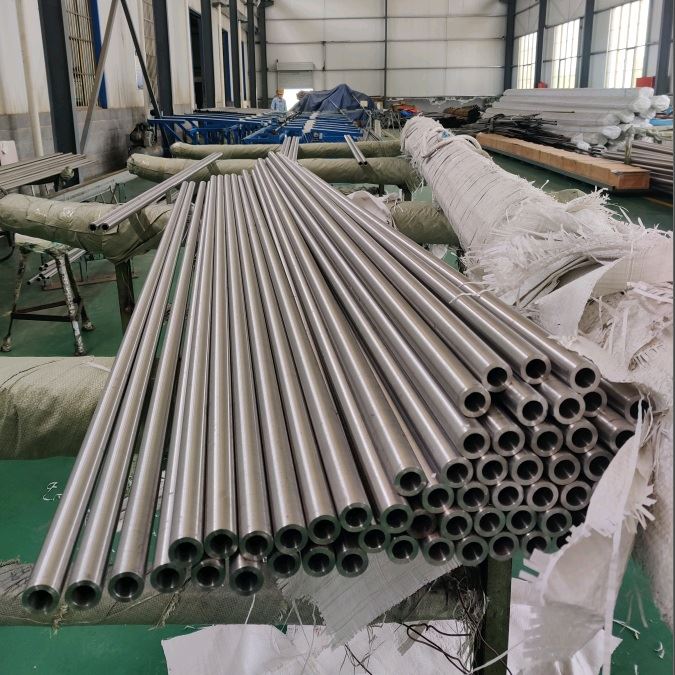

Also, if the vessel has reached the end of its service life, it might be a better idea to replace it. Over time, the material of the vessel can degrade due to repeated exposure to pressure, temperature, and corrosive substances. Even if a repair can be made, the vessel might be more prone to future failures.
Conclusion
So, to sum it up, a titanium pressure vessel can be repaired, but it depends on several factors. The type and extent of the damage, the material properties of titanium, and the regulatory requirements all play a role in determining if a repair is feasible.
If you're in the market for a Titanium Pipe, Titanium Reactor, or Titanium Vessel, we're here to help. We have a wide range of high - quality titanium pressure vessels that are designed to meet your specific needs. And if you have any questions about repairs or anything related to our products, feel free to reach out to us for a procurement discussion.
References
- ASME Boiler and Pressure Vessel Code
- "Titanium: A Technical Guide" by John C. Williams
- "Pressure Vessel Design Manual" by Dennis Moss


